 0
0
 0
0
New assessments from German food and nutrition authorities show that eating rice every day is far less harmless than many households assume.
Rice on the daily menu — a hidden problem
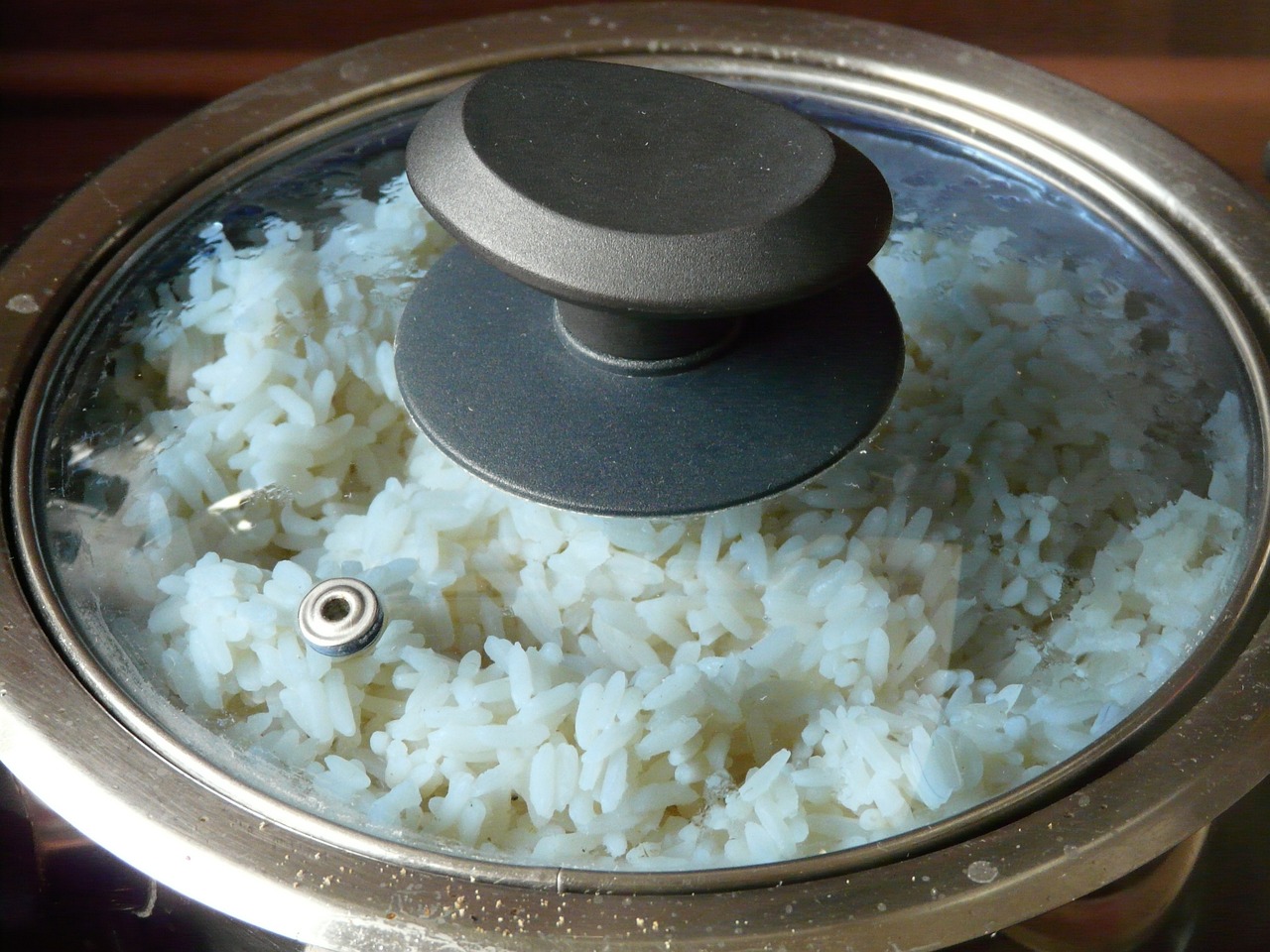
In many kitchens, rice is a staple eaten almost every day. It is widely seen as a light, healthy alternative to pasta and is valued for its versatility. But according to the Federal Institute for Risk Assessment (BfR), frequent rice consumption can increase exposure to inorganic arsenic, a toxic substance linked to cancer and other long‑term health problems.
Rice absorbs more arsenic than other grains because it is typically grown in flooded fields, where the roots sit in water that can contain naturally occurring arsenic. Over time, this leads to higher concentrations in the grain.
Why arsenic in rice matters
Tests show that arsenic accumulates mainly in the outer layers of the rice grain. As a result:
- Brown rice (whole grain) contains more arsenic than white rice.
- Parboiled rice offers a middle ground: more nutrients than white rice, but less arsenic than whole grain.
The BfR advises that infants and toddlers should not be fed exclusively with rice-based products such as rice milk or rice porridge. Adults, too, should avoid eating rice every day and instead consume it only occasionally.
Chronic exposure to inorganic arsenic is associated with cancers of the lung, bladder, and skin, as well as cardiovascular disease. Emerging evidence also links arsenic to diabetes, adverse pregnancy outcomes, and neurodevelopmental issues.
Climate impact: Rice cultivation emits greenhouse gases
Beyond health concerns, rice production has a significant climate footprint. Flooded rice fields emit large amounts of methane, a potent greenhouse gas. With climate change intensifying, studies show that rising temperatures and CO₂ levels may further increase arsenic concentrations in rice, compounding both environmental and health risks.
The German Nutrition Society (DGE) therefore recommends replacing rice more often with regional grains such as spelt or grünkern, which have a lower environmental impact.
What to eat instead
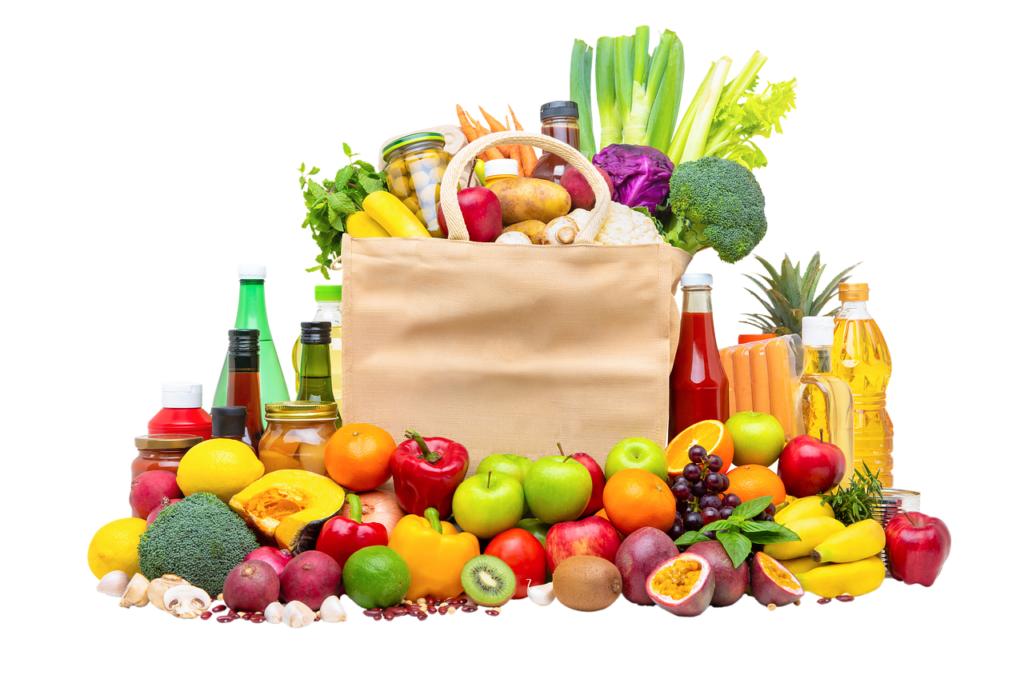
Nutrition experts advise variety rather than relying on rice every day. Good alternatives include:
- Noodles
- Potatoes
- Hirse
- Buchweizen
- Quinoa
- Amaranth
The DGE recommends five portions of grain products per day, with about one-third coming from whole grains — but not exclusively rice.
If you do eat rice
For those who don’t want to give up rice entirely:
- Choose organic rice, ideally from European cultivation, to reduce pesticide exposure and lower climate impact.
- Eat rice occasionally, not daily.
- Alternate between different grain types to diversify your diet.
- source: heute.at/picture: pixabay.com



This post has already been read 7504 times!